by Melissa Chichester
Key Takeaways:
The human body is incredible when you look at all of the nutrients that help us flourish throughout our lives. One such nutrient is coenzyme Q10, also known as CoQ10 or Co Q-10, a nutrient-like compound your body naturally makes to help support cellular energy production and antioxidant activity.* Found in foods like organ meats, beef, poultry, sardines, spinach, and soybean oil, Co Q-10 also plays an important role in heart health, skin health, and overall wellness.*
In this guide, you’ll learn what coenzyme Q10 is, what Co Q-10 does in the body, and how to decide whether a Co Q-10 supplement may be right for your routine.
Coenzyme Q-10 is a fat-soluble substance that is naturally found and produced by the human body, where it helps cells create the energy they need to function. It also acts as an antioxidant, helping fight free radicals that can contribute oxidative stress, which may lead to cell damage.*
Concentrated in the heart, kidneys, liver, and pancreas, Co Q-10 is an essential component to health, as it is needed by every cell in the body. Co Q-10 helps support the process that turns food into cellular energy and acts as an antioxidant in the body as it fights free radicals that may lead to oxidative stress, contributing to aging and cell damage.* The active form of Co Q-10 is called ubiquinol. The body can make Co Q-10 on its own, but levels may naturally decline with age.
Knowing about where Co Q-10 is found in the body, it probably isn’t surprising that the most concentrated food sources of this nutrient are organ meats, like hearts, livers, and kidneys. There are other food sources of Co Q-10, including beef, chicken, pork, sardines, soybean oil, oranges, and spinach.
| Co Q-10 food source | Examples |
|---|---|
| Animal-based foods | Beef, chicken, pork, sardines, and organ meats such as heart, liver, and kidney |
| Plant-based foods | Spinach, oranges, nuts, and soybean oil |
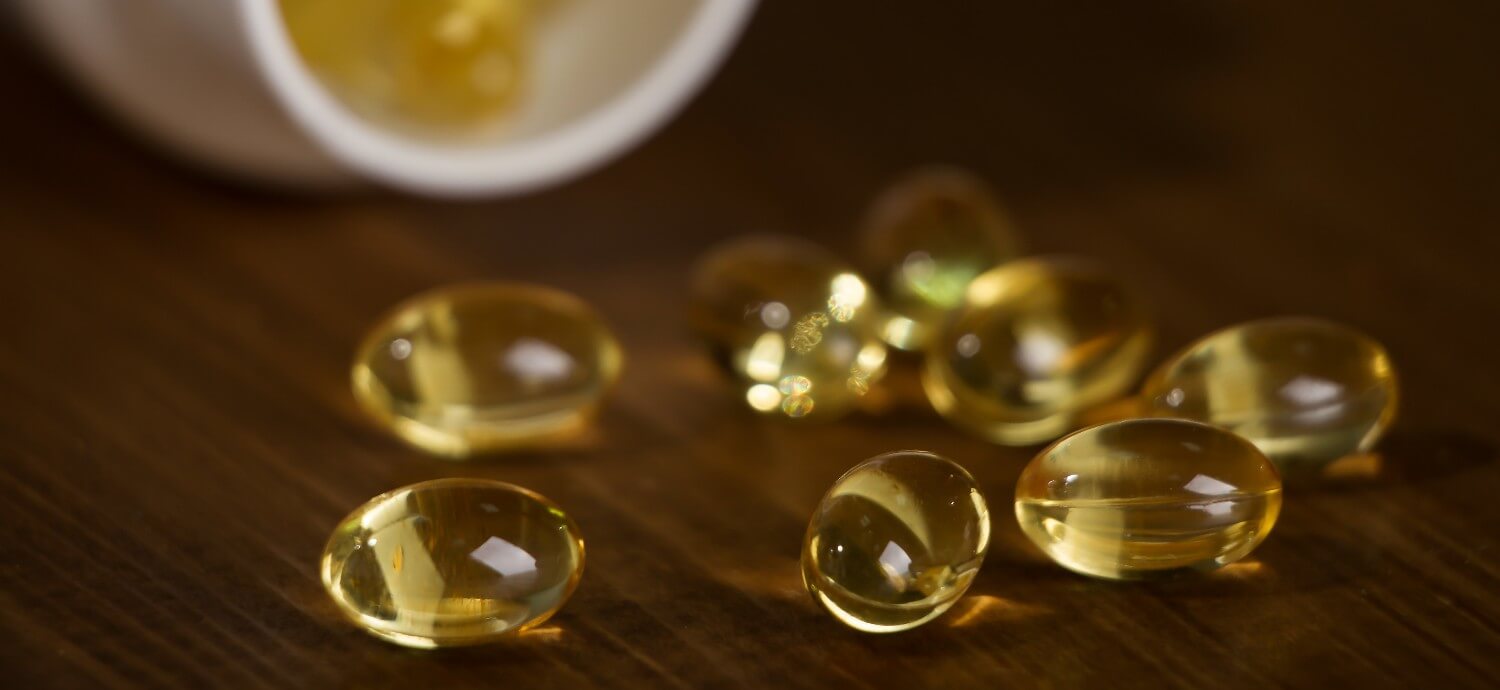
| Supplement forms | Co Q-10 capsules, softgels, gummies, and liquids |
One of the major roles of Co Q-10 is that it assists with converting food into energy in the body.* This happens inside the mitochondria, the parts of cells often known as the “powerhouses” because they help transform nutrients into usable cellular energy. Co Q-10 also helps other enzymes properly do their jobs, supporting a chain reaction that influences many parts of the body, including the heart and muscles.*
Most people already know Co Q-10 plays a role in supporting heart health.* That’s because the heart is one of the body’s most energy-demanding organs, and Co Q-10 helps support the cellular energy process within the heart and muscles.* In addition to promoting cardiovascular wellness, 200 mg of Co Q-10 also helps maintain normal blood pressure levels already within a normal range.*
Because Co Q-10 levels may decline with age, some individuals over the age of 40 may have trouble maintaining levels of this coenzyme. This is also important for people taking statin medications, which may reduce Co Q-10 levels in the body. If you take prescription medication or have a health condition, talk with your healthcare provider before adding a Co Q-10 supplement to your routine.
Statin medications are typically prescribed to people with high cholesterol, and they tend to lower Co Q-10 levels in the body.
Co Q-10 supplements may help replenish Co Q-10 levels in the body.*+ They are available in different forms, including ubiquinone and ubiquinol, so shoppers may want to compare formulas, serving sizes, and product directions when choosing the right option for their wellness routine.
Co Q-10 truly keeps the body nourished from the inside out! In addition to serving as an antioxidant for cells, Co Q-10 is an ingredient in many skincare products and serves as an aging biomarker for the skin. Every day, the skin is exposed to stress from the environment, the foods we eat, sweat, and more. These external factors can influence the health of the skin. The antioxidant properties of Co Q-10 may help skin maintain its radiance as it ages when a Co Q-10 cream is applied topically.
From supporting cellular energy to helping fight free radicals, Co Q-10 is a versatile nutrient that plays a meaningful role in everyday wellness.* Whether you’re exploring food sources of coenzyme Q10, comparing supplement forms, or learning how Co Q-10 may support heart and skin health, understanding the basics can help you make more informed choices for your personal wellness routine.*
+Note: Coenzyme Q-10 is not intended to serve as a replacement for Statin therapy, nor should you discontinue taking any prescribed medications while supplementing with Coenzyme Q-10.
*These statements have not been evaluated by the Food and Drug Administration. These products are not intended to diagnose, treat, cure or prevent any disease.