by Ana Reisdorf, MS, RD
Fiber is a trending nutrient and for good reason. Most of us are not getting enough from our diet, and many people are looking for simple ways to support digestive wellness. Eating more fiber or adding a fiber supplement to your routine is a great place to start feeling the benefits of supporting your gut health.*
While it is always great to get fiber from real foods, like fruits, vegetables, or whole grains, fiber supplements also provide a convenient way to increase your intake. One of the most common options is psyllium husk, a plant-based source of soluble fiber that has been used for decades in foods and supplements.
You may have seen psyllium husk listed on the label of fiber powders, capsules, or gummies, but what exactly is it, and how does it work? Here’s what you need to know about its potential benefits, how to use it safely, and what to look for in a supplement.
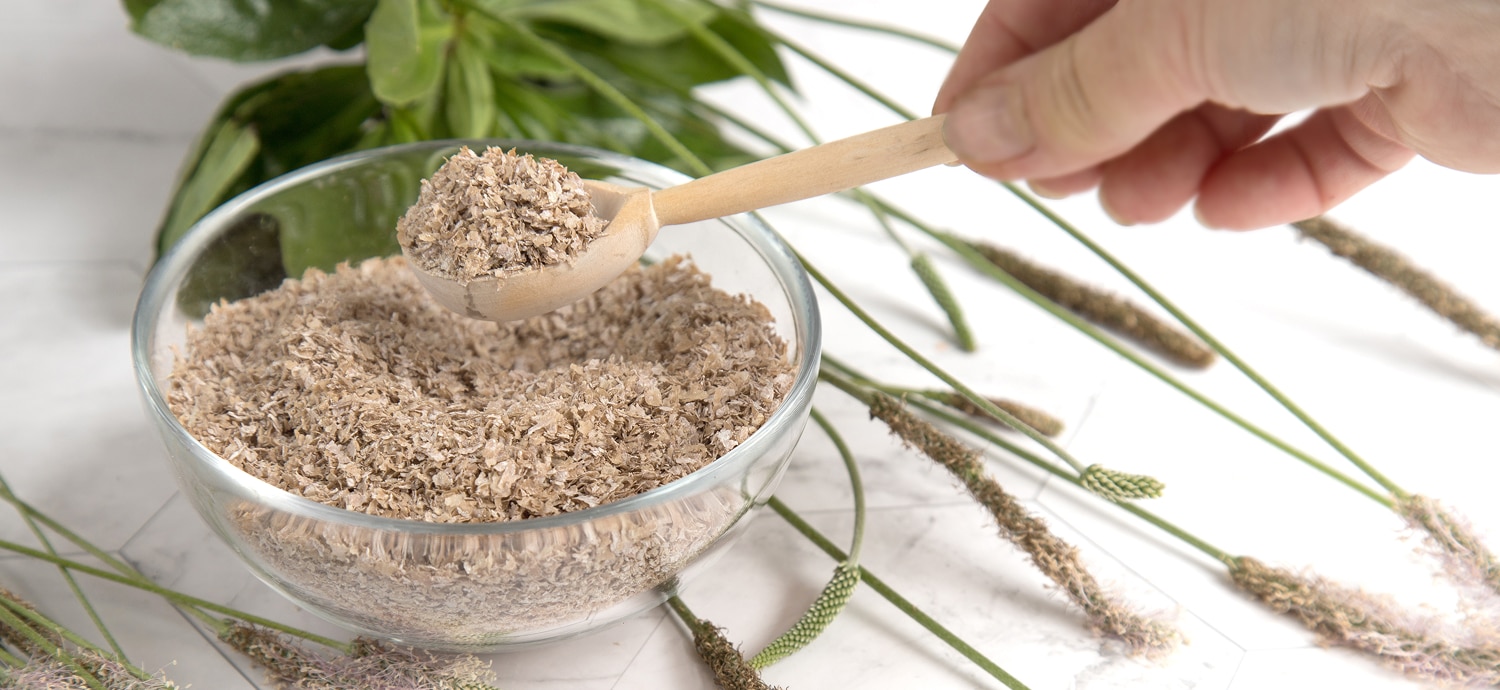
Psyllium husk comes from the seeds of the Plantago ovata plant, which is primarily grown in India. The outer coating of the seed, known as the husk, is rich in soluble fiber. When mixed with liquid, this fiber forms a gel in the digestive tract.
Because of its ability to absorb water, psyllium husk is commonly used in fiber supplements and some packaged foods. It’s also found in products designed to help people increase their daily fiber intake.
Psyllium is available in several forms, including:
Psyllium husk is primarily a soluble fiber, meaning it dissolves in water and forms a thick gel during digestion. Soluble fiber differs from insoluble fiber, which adds bulk to stool but does not dissolve in liquid.
Most adults do not get enough fiber each day. According to the US Dietary Guidelines for Americans, women generally need about 22–28 grams of fiber daily, while men need about 28–34 grams depending on age and activity level.
Adding fiber-rich foods like fruits, vegetables, legumes, oats, nuts, seeds, and whole grains is ideal, but supplements may also play a role in helping meet your fiber needs.
Psyllium husk is often thought of as supporting digestive wellness and regularity. But it may have benefits for other health goals as well.* Here’s what you need to know:
Because psyllium absorbs water, it can help soften stool and support comfortable bowel movements when consumed with enough fluids. Fiber also helps add bulk to stool, which may support overall digestive regularity.*
Many people fall short of recommended fiber intake levels. Psyllium supplements are a convenient way to increase soluble fiber intake, especially for people who struggle to get enough fiber through food alone.
The FDA states that soluble fiber from psyllium husk, when consumed as part of a diet low in saturated fat and cholesterol may support heart health.
Because psyllium expands when mixed with liquid, it may help increase satiety with meals.* However, psyllium husk should not be viewed as a replacement for nutritious meals, protein, healthy fats, or overall healthy lifestyle habits.
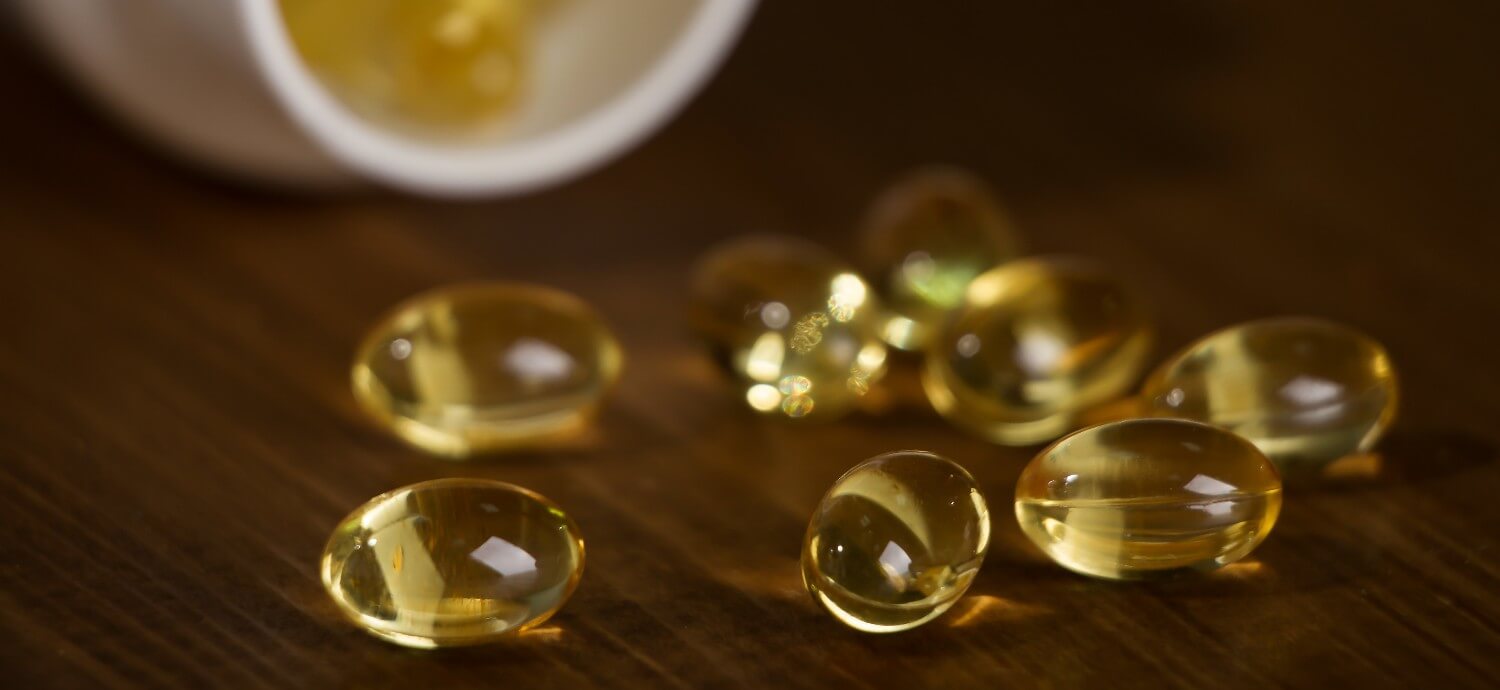
Psyllium husk comes in many forms, including capsules and powders. Capsules offer a convenient option for people who dislike the texture of powdered fiber supplements. As a powder, it can be mixed into water, smoothies, oatmeal, yogurt, or other foods.
As with any type of fiber, when taking psyllium husk, it’s important to drink plenty of water. Fiber absorbs liquid and expands, and increasing your intake without increasing your fluids may increase the risk of digestive discomfort.
Always follow the serving directions on the product label unless otherwise directed by a healthcare professional.
Like many fiber supplements, psyllium husk may cause temporary digestive symptoms when you are not used to fiber, especially if you increase it too quickly.
Possible side effects can include:
Starting with a smaller amount and gradually increasing intake may help you. Ensuring you drink enough water or fluids can also help reduce some of these side effects.
People with difficulty swallowing or certain digestive conditions should speak with a healthcare provider before using psyllium supplements.
Psyllium husk may be helpful for adults looking to:
That said, supplements are not a replacement for a balanced diet rich in naturally fiber-containing foods.
When shopping for a psyllium supplement, consider the following:
Be aware of blends, as some products combine psyllium with other fibers, probiotics, or flavorings, while others contain psyllium husk alone.
Psyllium husk is a popular soluble fiber supplement commonly used to support digestive wellness and help increase daily fiber intake. Available in powders, capsules, and drink mixes, it can be an easy addition to a balanced lifestyle when used properly.
If you are looking for an easy way to add psyllium to your routine, our Puritan’s Pride Psyllium Husks 500 mg offers a convenient capsule option to help support your daily fiber intake as part of a balanced diet and healthy lifestyle.
As with any supplement, consistency matters to see results. And it’s important to pair fiber intake with adequate hydration, balanced nutrition, and regular movement.
If you’re unsure whether psyllium husk is right for you, talk with a healthcare professional for personalized recommendations.
*These statements have not been evaluated by the Food and Drug Administration. These products are not intended to diagnose, treat, cure, or prevent any disease.