by Lauren Panoff, MPH, RD, DipACLM
Your eyes are hard at work every day, all day long. From the time you wake up to the time you wind down, with exposures to screens and sunlight and navigating the natural effects of aging, your vision is under constant demand.
Fortunately, there are simple things you can do to help support your eye health, from the foods you eat to the rest you take, as well as considering certain supplements—including lutein, zeaxanthin, and more.
Your eyes are complex organs with essential jobs. At the back of your eye is the retina, a thin layer of tissue packed with light-sensitive photoreceptors, as well as your macula, a small area responsible for sharp vision.
Within your macula is the fovea, an even smaller area that helps you recognize faces and read small print.
As we get older, it becomes increasingly important to be mindful of the nutrients that support eye health. Let’s take a closer look at some of these.
Lutein is a bright yellow carotenoid (pigment) and a potent antioxidant that helps support healthy eyes and vision.* Since our bodies don't produce lutein on their own, getting enough through food and supplements is important.
Lutein is mostly concentrated in the retina and macula. It has a special job of protecting our eyes from the effects of too much blue light, which is emitted from the sun, LED lights, and screens from our phones, TVs, and laptops.
While you can get lutein from foods like egg yolks, leafy greens, corn, and broccoli, lutein supplementation may also help support healthy eyes.*
Zeaxanthin is another carotenoid that complements lutein in helping protect your eyes and is most concentrated in your fovea. Zeaxanthin also has antioxidant properties, helping to support cellular health.*
Two forms of zeaxanthin can be found in the eyes:
Zeaxanthin and lutein work better together than on their own. Look for supplements that contain both. Puritan’s Pride® Lutigold™ Lutein 20 mg also contains 800 mcg zeaxanthin, and Puritan’s Pride® Lutigold™ Lutein 40 mg contains 1600 mcg zeaxanthin, depending on the level of support you’re seeking.
Lutein and zeaxanthin are foundational nutrients for eye health, but they aren’t the only ones, especially when you’re considering adding a supplement. Below are some of the other nutrients that may work together to support healthy vision.
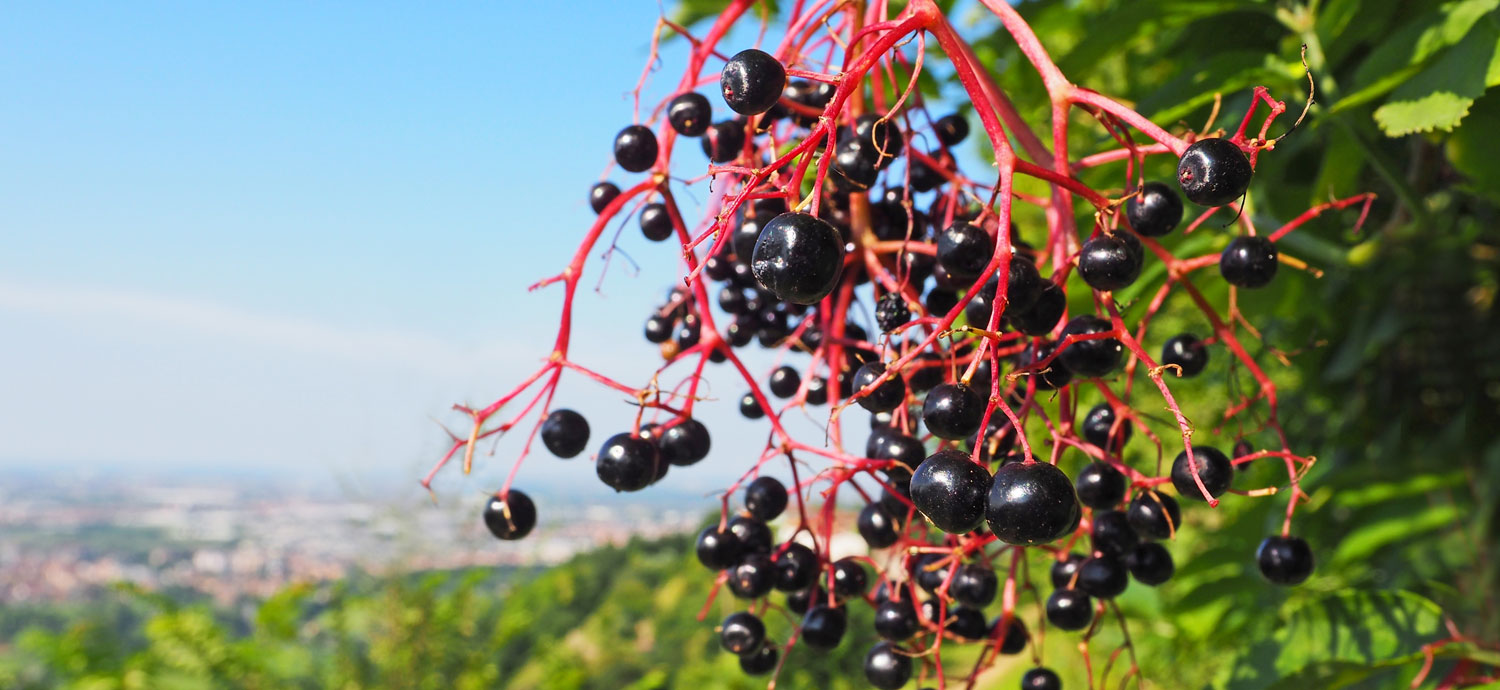
Herbavision Gold with Lutein, Bilberry, and Zeaxanthin is formulated with Lutigold™ Lutein, Bilberry extract, and Zeaxanthin, offering several important eye health nutrients in one place.*
Supplements are one part of a larger picture of habits for eye health. Consider how you might incorporate these additional lifestyle tips to support your vision as you get older.
A diet rich in dark leafy greens (kale, spinach, collards), colorful vegetables, eggs, fatty fish (tuna, salmon, mackerel), and citrus fruit provides a natural supply of many of the nutrients discussed above.
While it can be challenging to reach therapeutic levels of lutein and zeaxanthin through food alone, a diet pattern based on plenty of nutrient-dense sources is a great place to start.
To help protect your eyes, try to follow the 20-20-20 rule on days when you’re regularly using screens: every 20 minutes of screen time, look at something 20 feet away for at least 20 seconds. This reduces eye muscle fatigue and refocusing strain.
You might also consider blue-light-filtering glasses or screen protectors for prolonged use, especially if you work on your computer all day or are on screens at night, as blue light can disrupt sleep.
Sunglasses are a simple way to help protect your eyes all year long. Wear sunglasses that block 100% of UVA and UVB rays whenever you’re outside. Wide-brimmed hats can add another layer of protection.
Not all eye concerns show noticeable symptoms in their early stages, so annual eye exams are an important part of your preventive health plan. An eye doctor can look at what’s going on behind your eyes and help detect potential concerns.
Eye comfort can be affected if you’re not drinking enough fluids, so try to sip on water throughout the day. Smoking can negatively affect your overall eye health, so quitting is one of the best things you can do for your vision.
Protecting your vision is one of the most worthwhile investments you can make. Nutrition is an essential piece of supporting healthy vision for as long as possible, helping to filter damaging light and support healthy circulation.* Proactive habits over time can make a real difference.
Whether you’re in your 30s and thinking ahead, or already noticing the early signs of visual changes, there’s no better time to start supporting your eyes with the nutrients they need. Pair a quality, research-backed supplement with smart lifestyle choices and regular eye exams.
For more options, check out our full line of vision health supplements.
*These statements have not been evaluated by the Food and Drug Administration. These products are not intended to diagnose, treat, cure, or prevent any disease.