by Melissa Chichester
Vitamins and supplements can play a helpful role in keeping your digestive system running smoothly. They support your body’s natural ability to break down food, absorb nutrients, and maintain a healthy balance of gut bacteria.* For example:
When used wisely alongside a balanced diet, these nutrients can help improve digestion, boost nutrient absorption, and support overall gut health.*
Several supplements can support and improve digestion. Here are some of the most common and evidence-based options:
Probiotics contain live, beneficial bacteria that can help restore the balance of gut flora. Probiotics for gut health can help:
Prebiotics are non-digestible food components that nourish and stimulate the growth of probiotics. They are fermented in the colon and produce beneficial compounds that support the immune system, aid in nutrient absorption and contribute to overall health.*
Digestive enzymes help to break down food and improve the absorption of its nutrients. They can help occasional digestive issues like indigestion and bloating.*
Puritan’s Pride has a number of supplements that contain these helpful enzymes:
Ginger root is naturally high in digestive enzymes, making it a popular digestive supplement. Its natural enzymes help speed up the digestive process and stimulate the production of other digestive enzymes. Puritan’s Pride Turmeric & Ginger promotes healthy digestion with the help of antioxidant properties.*
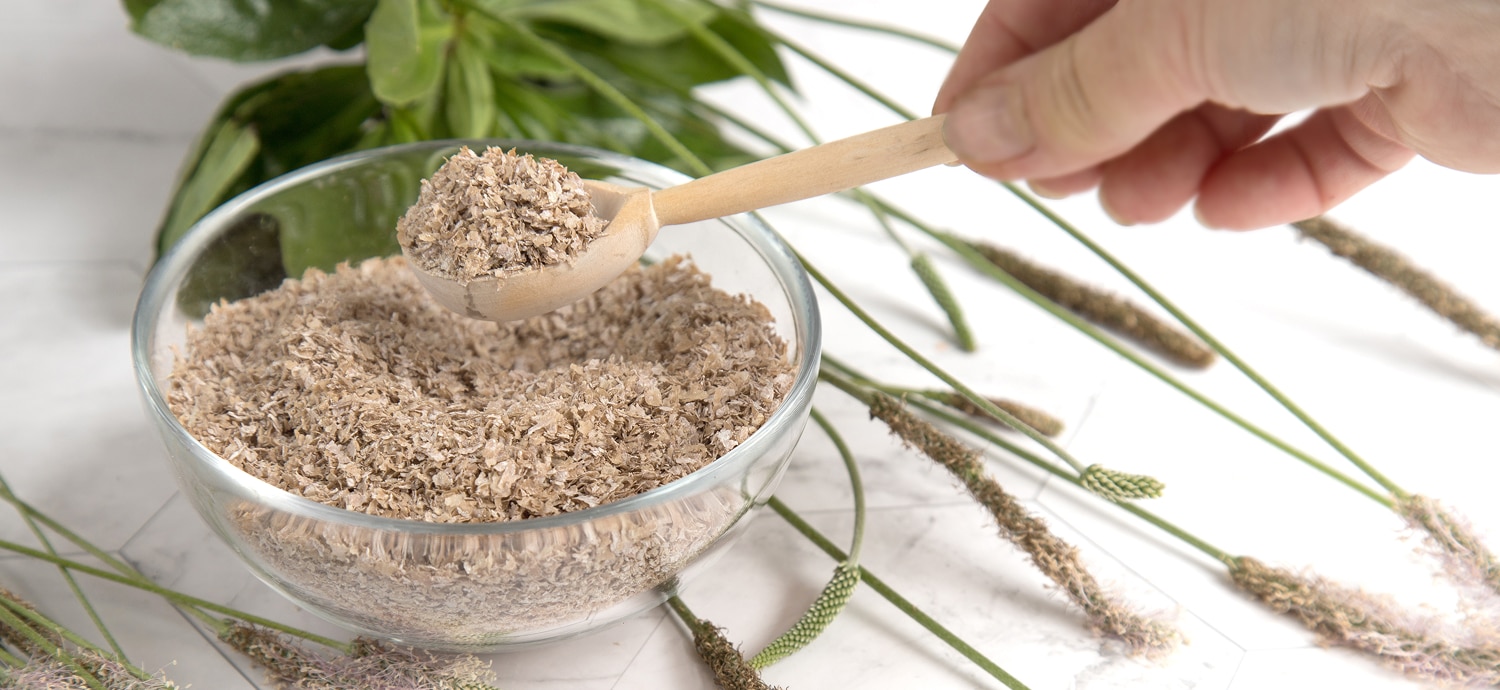
Dietary fiber is a type of carbohydrate that can’t be broken down by digestive enzymes. In this way, they help to promote regular bowel movements and add bulk, which helps manage constipation and improves overall gut health.* Add fiber to your diet with Puritan’s Pride:
While supplements are often at the forefront of messaging about digestive health thanks to their immediate impact on the microbiome, there are a number of vitamins that support digestion.
B Vitamins aid digestion by helping the body process fats, proteins, and carbohydrates, supporting a healthy gut lining, and influencing the gut microbiome. Add them to your vitamin routine to support gut health*:
What can’t Vitamin C do? This multitasking vitamin can be beneficial for gut health by supporting the integrity of the stomach lining, balancing beneficial gut bacteria and acting as an antioxidant.*
Vitamin D plays an important role in maintaining gut health*:
| Supplement | Benefit* |
|---|---|
| Probiotics | • Add beneficial bacteria to the gut • Improve balance in the microbiome • Aid in nutrient absorption and regularity |
| Prebiotics | • Serve as food for probiotics • Helps healthy gut bacteria grow • Helps maintain digestive balance |
| Fiber | • Promotes regular bowel movements • Supports gut bacteria • Helps manage constipation |
| Digestive Enzymes | • Break down food into smaller nutrients that are easier to absorb |
| Vitamin B12 | • Supports the production of digestive enzymes • Helps maintain healthy nerve cells in the gut |
| Vitamin B6 | • Aids in metabolism of proteins and carbohydrates |
| Vitamin C | • Supports the absorption of iron • Contributes to the health of gut tissue |
| Vitamin D | • Helps support the immune system in the gut • Supports healthy intestinal lining function. |
The best way to support digestion is by incorporating fiber-rich foods into your diet and by drinking enough water. When choosing to add supplements, always discuss them with your healthcare practitioner first.